How Fleet Management Technology Is Transforming Logistics in 2024

James Whitfield
28 April 2026
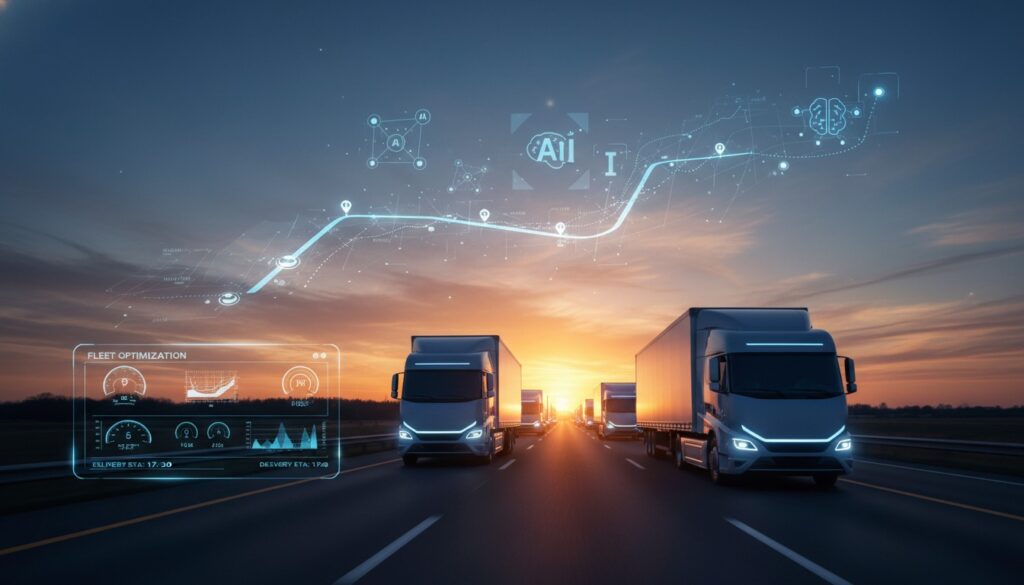
How Fleet Management Technology Is Transforming Logistics in 2024
Introduction
The logistics industry has never moved faster — and the pressure to deliver on time, reduce costs, and stay compliant has never been greater. In 2024, fleet management technology is no longer a luxury reserved for enterprise-level operations. It’s a necessity for any business that relies on vehicles to move goods, serve customers, or manage field teams.
From AI-powered route optimization to real-time GPS tracking and automated compliance reporting, the digital transformation sweeping through logistics is fundamentally changing how fleets operate. According to recent industry reports, companies that adopt advanced fleet management solutions see an average 15–20% reduction in operational costs and a 25% improvement in delivery efficiency within the first year.
In this comprehensive guide, we’ll explore the key technologies driving this transformation, examine real-world benefits, and provide actionable advice for businesses looking to modernize their fleet operations in 2024 and beyond.
The Rise of AI and Machine Learning in Fleet Operations
Artificial intelligence is arguably the single most transformative force in fleet management today. Where fleet managers once relied on intuition, spreadsheets, and manual processes, AI and machine learning algorithms now process millions of data points in real time to make smarter decisions.
Predictive Maintenance
One of the most impactful applications of AI in fleet management is predictive maintenance. Rather than waiting for a vehicle to break down or adhering to rigid time-based service schedules, AI analyzes data from onboard sensors — engine temperature, oil pressure, brake wear, tire condition — to predict when a component is likely to fail.
- Reduced downtime: Vehicles are serviced before a breakdown occurs, keeping them on the road.
- Lower repair costs: Catching issues early prevents small problems from becoming expensive repairs.
- Extended vehicle lifespan: Proactive care means your assets last longer and retain more value.
- Vehicle location (updated every few seconds)
- Speed and driving behavior (harsh braking, rapid acceleration, cornering)
- Engine diagnostics and fault codes
- Fuel consumption rates
- Idle time and unauthorized usage
- Temperature monitoring for refrigerated cargo
- Improved accountability: Knowing exactly where every vehicle is at all times eliminates guesswork and reduces unauthorized use.
- Enhanced customer service: Provide customers with accurate ETAs and real-time delivery updates.
- Driver safety: Monitor driving behavior to identify risky habits and deliver targeted coaching.
- Theft prevention and recovery: Instant alerts if a vehicle moves outside a designated geofence.
- Data-driven decisions: Historical telematics data reveals patterns that inform long-term strategic planning.
- Notifying a warehouse team that a delivery truck is 15 minutes away
- Alerting managers if a vehicle enters a restricted zone
- Automatically logging arrival and departure times at customer sites
- Automatic, tamper-proof recording of driving hours
- Real-time HOS violation alerts before they happen
- Simplified roadside inspections with digital log transfer
- Reduced paperwork and administrative overhead
- Transportation Management Systems (TMS): Seamless data flow between fleet management and TMS platforms ensures that dispatch, routing, and load planning are aligned with real-time vehicle availability and driver status.
- Enterprise Resource Planning (ERP): Connecting fleet data to ERP systems provides finance and operations teams with a unified view of costs, asset utilization, and profitability.
- Customer Relationship Management (CRM): Integration with CRM platforms enables proactive customer communication, including automated delivery notifications and exception alerts.
- Fuel Card Systems: Linking fuel card data with telematics information helps detect fuel fraud, monitor consumption trends, and optimize fueling strategies.
- HR and Payroll Systems: Automated driver time tracking feeds directly into payroll, reducing errors and disputes.
- Customizable KPI tracking (cost per mile, on-time delivery rate, fuel efficiency)
- Trend analysis and benchmarking
- Automated exception reporting
- Predictive insights powered by machine learning
- Eco-driving scorecards that reward efficient driving behavior
- Idle time reduction programs powered by real-time alerts
- Route optimization that minimizes miles driven and avoids congestion
- Right-sizing analysis to ensure vehicles match the requirements of each route
- Battery state-of-charge monitoring and range prediction
- Charging infrastructure planning and smart charging scheduling
- Energy cost optimization (charging during off-peak hours)
- Mixed fleet management — coordinating EVs and internal combustion vehicles within a single platform
- Start with a clear assessment. Document your current pain points, costs, and inefficiencies. This baseline will help you measure ROI after implementation.
- Define your priorities. Not every fleet needs every feature. Focus on the capabilities that will deliver the greatest impact for your specific operation — whether that’s route optimization, compliance automation, or maintenance management.
- Choose a scalable platform. Select a solution that can grow with your business. A platform that works for 20 vehicles should also work for 200 or 2,000.
- Invest in training. Technology is only as good as the people using it. Ensure drivers, dispatchers, and managers receive thorough training and ongoing support.
- Leverage data from day one. Don’t just collect data — act on it. Establish regular review cadences where your team analyzes fleet performance data and implements improvements.
- Engage your drivers. Drivers are your most important stakeholders. Involve them early, address their concerns, and show them how the technology benefits them — not just the company.
- Plan for integration. Think about how your fleet management platform will connect with your existing TMS, ERP, and other systems from the outset.
“Predictive maintenance powered by AI has reduced our unplanned vehicle downtime by 38% in just eight months.” — Operations Director at a mid-size logistics firm
Intelligent Route Optimization
AI-driven route optimization goes far beyond simple GPS navigation. Modern systems consider traffic patterns, weather conditions, delivery windows, vehicle capacity, driver hours-of-service regulations, and even fuel costs to calculate the most efficient routes in real time.
The result? Fewer miles driven, less fuel consumed, more deliveries completed per shift, and happier customers who receive their goods on time.
Demand Forecasting
Machine learning models can also analyze historical data, seasonal trends, and market signals to forecast demand more accurately. This allows fleet managers to allocate resources proactively — scaling up capacity during peak periods and avoiding unnecessary costs during slower times.
Real-Time GPS Tracking and Telematics: Full Visibility, Full Control
Real-time visibility into fleet operations has become the backbone of modern logistics. GPS tracking and telematics systems provide fleet managers with a live, comprehensive view of every vehicle, driver, and asset in their network.
What Telematics Data Reveals
Modern telematics devices collect and transmit a wealth of information, including:
Benefits for Fleet Managers
The Geofencing Advantage
Geofencing — creating virtual boundaries around specific locations — is a powerful feature within modern GPS tracking platforms. When a vehicle enters or exits a geofenced area, the system triggers automated alerts or actions. Common use cases include:
Automated Compliance and Electronic Logging Devices (ELDs)
Regulatory compliance is one of the most complex and time-consuming aspects of fleet management. In 2024, automated compliance tools are eliminating much of the manual burden while significantly reducing the risk of violations and fines.
Hours of Service (HOS) and ELD Mandates
In the United States, the ELD mandate requires most commercial motor vehicle drivers to use electronic logging devices to record their hours of service. Similar regulations exist across Europe, Canada, Australia, and other regions. Modern fleet management platforms integrate ELD functionality seamlessly, ensuring:
DVIR and Inspection Automation
Driver Vehicle Inspection Reports (DVIRs) are another area where technology is streamlining compliance. Digital DVIR tools allow drivers to complete pre-trip and post-trip inspections on a mobile app, with photo documentation, automatic defect tracking, and instant notifications to maintenance teams.
IFTA Reporting
For fleets operating across multiple jurisdictions, International Fuel Tax Agreement (IFTA) reporting can be a nightmare. Automated fleet management systems track fuel purchases and miles driven by jurisdiction, generating accurate IFTA reports with minimal manual input.
Pro Tip: When evaluating fleet management platforms, prioritize solutions that offer built-in compliance modules rather than requiring third-party integrations. This reduces complexity and ensures data consistency.
The Connected Fleet Ecosystem: Integration and Data Synergy
One of the most significant trends in 2024 is the move toward a fully connected fleet ecosystem — where fleet management technology doesn’t operate in isolation but integrates with other critical business systems.
Key Integrations That Drive Value
The Power of APIs
Modern fleet management platforms offer robust APIs (Application Programming Interfaces) that make these integrations possible. When selecting a solution, look for platforms with well-documented, open APIs that allow your IT team — or integration partners — to connect systems quickly and reliably.
Data Analytics and Business Intelligence
With data flowing in from telematics, ELDs, fuel systems, maintenance logs, and more, the real magic happens when you apply advanced analytics. Fleet management dashboards in 2024 offer:
Sustainability and Electric Vehicle Fleet Management
Sustainability is no longer just a corporate talking point — it’s a business imperative. Customers, investors, and regulators are all demanding that logistics companies reduce their environmental footprint. Fleet management technology plays a critical role in making this happen.
Optimizing Fuel Efficiency
Even for fleets that haven’t yet transitioned to electric vehicles, technology can deliver significant fuel savings:
Managing Electric Vehicle (EV) Fleets
As more logistics companies add electric vehicles to their fleets, specialized management tools are emerging to address unique EV challenges:
Carbon Reporting
Fleet management platforms now offer automated carbon emissions tracking and reporting, helping businesses meet regulatory requirements and voluntary sustainability commitments. This data is increasingly important for ESG (Environmental, Social, and Governance) reporting and can even become a competitive differentiator.
Practical Tips for Implementing Fleet Management Technology in 2024
Ready to modernize your fleet operations? Here are actionable steps to ensure a successful implementation:
Remember: Digital transformation is a journey, not a destination. Start with the fundamentals, prove value quickly, and expand capabilities over time.
Conclusion
The logistics landscape in 2024 demands more than traditional fleet management approaches can deliver. AI-powered analytics, real-time GPS tracking, automated compliance, connected ecosystems, and sustainability tools are no longer futuristic concepts — they’re today’s competitive necessities.
Companies that embrace these technologies are seeing dramatic improvements in cost efficiency, delivery performance, driver safety, regulatory compliance, and environmental impact. Those that delay risk falling behind competitors who are already leveraging data and automation to run leaner, smarter operations.
The good news? The barriers to entry have never been lower. Cloud-based platforms, flexible pricing models, and intuitive interfaces mean that businesses of every size can access enterprise-grade fleet management technology.
Take the Next Step
If you’re ready to transform your fleet operations, start by evaluating your current challenges and exploring the solutions available today. Whether you manage a fleet of 10 vehicles or 10,000, the right technology partner can help you unlock significant savings, improve service levels, and future-proof your business.
Have questions about fleet management technology? Drop a comment below or reach out to our team — we’d love to help you navigate the options and find the right fit for your operation.
Stay ahead of the curve. Modernize your fleet. Transform your logistics.